Social and emotional development
Social and Emotional Development focuses on how children understand themselves, manage their feelings, and interact with others. It’s about learning how to handle feelings, build relationships, and get along with others.
In this area, children are:
- Developing a sense of self-identity (who they are).
- Building confidence in their abilities.
- Learning to recognize and manage emotions.
- Showing empathy and caring for others.
- Forming relationships with peers and adults.
- Participating in cooperative play.
- Understanding right and wrong.
- Solving social conflicts.
Name of Activity:
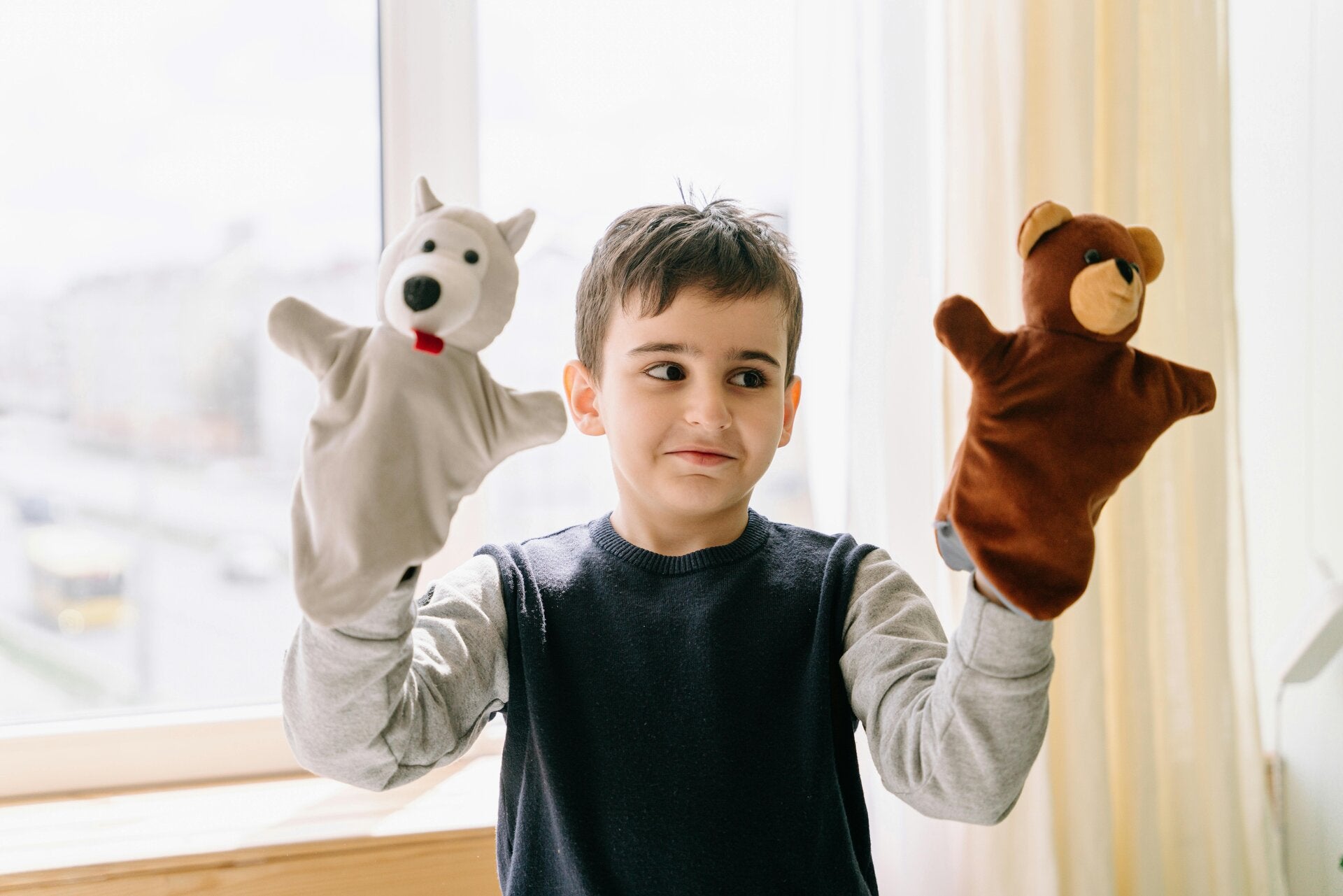
Feelings with Puppets
Originating Idea:
The children have recently been having disagreements during play and are beginning to show different emotions, but may not always understand how others feel.
Curriculum Area & KDI:
B. Social and Emotional Development – 10. Empathy: Children understand and respond to the feelings of others.
Materials:
- Hand puppets (various characters)
- Emotion cards or pictures (happy, sad, angry, etc.)
- Small mirror
Appropriate Age Group:
Pre-K
Beginning of Activity:
Today, we are going to use puppets to talk about feelings. This puppet is feeling sad. Can you tell me what might make someone feel sad? Have you ever felt that way?
Middle of Activity (Scaffolding):
Early:
A child has difficulty recognizing emotions. I will model by saying, “This puppet is crying. That means they feel sad,” and show matching emotion cards.
Middle:
A child can identify emotions. I will ask, “What could we do to help the puppet feel better?” to encourage empathy.
Later:
A child understands emotions and responses. I will encourage deeper thinking by asking, “How would you feel if that happened to you?” or “What could you say to help a friend?”
End of Activity:
Today, we talked about feelings and how others feel. You helped the puppets by thinking about what they might need. Turn to a friend and tell them one way you can help someone sad.
Follow-Up Ideas (2):
- Read a story and pause to discuss how characters feel.
- Create a “feelings chart” in the classroom for children to use daily.
Assessment:
Children were able to identify emotions and show understanding of how to respond to others’ feelings.
Name of Activity:
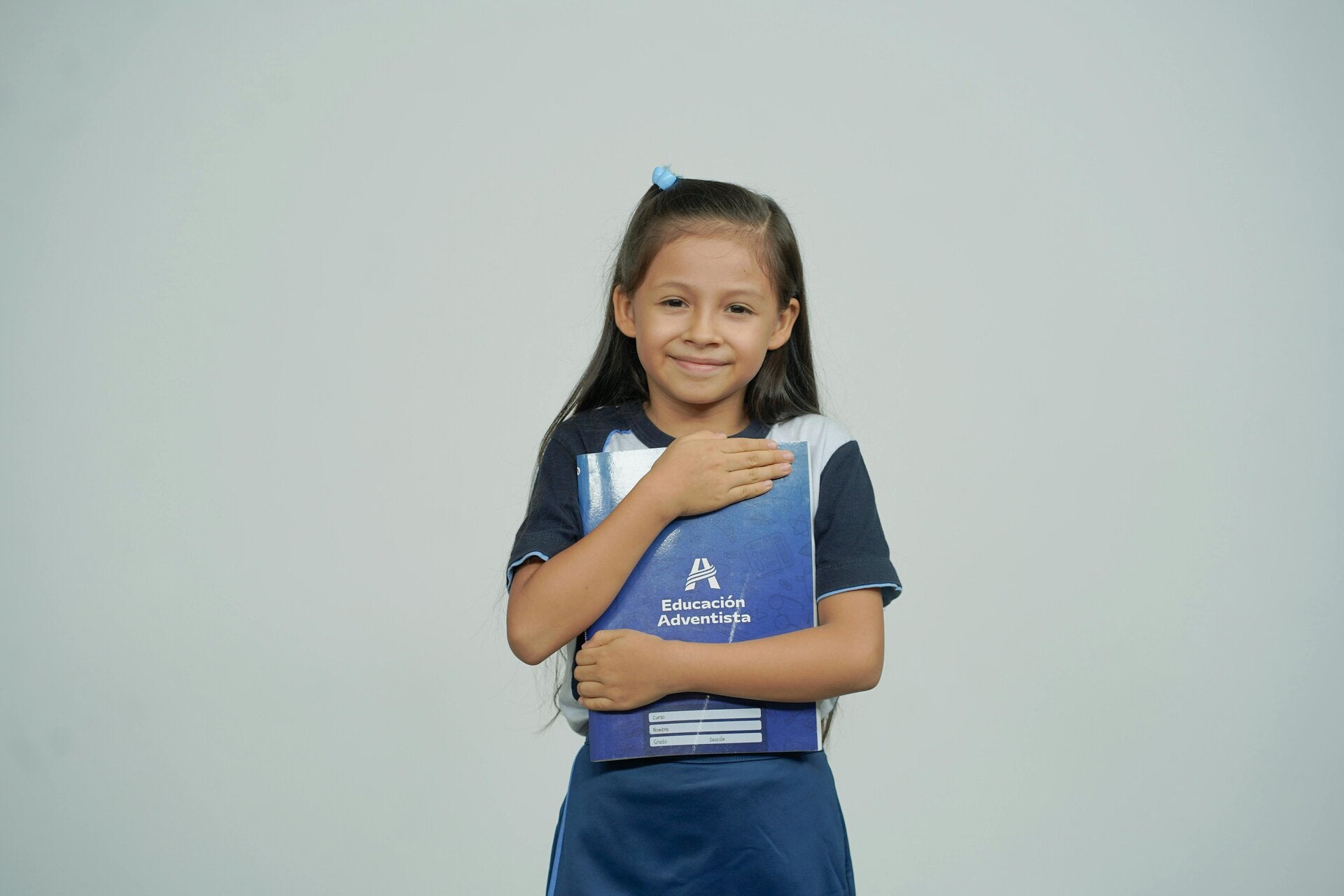
Classroom Helper Day
Originating Idea:
The children have been showing interest in helping teachers with small tasks and enjoy feeling responsible in the classroom.
Curriculum Area & KDI:
B. Social and Emotional Development – 11. Community: Children participate in the classroom community and take on roles.
Materials:
- Helper chart with different classroom jobs
- Name cards or clips
- Materials for jobs (broom, snack helper tray, line leader badge, etc.)
Appropriate Age Group:
Pre-K
Beginning of Activity:
Today, we are going to talk about how we can help in our classroom. Our classroom is a community, and everyone has an important role. I will show you our helper chart, and we will choose different jobs for today.
Middle of Activity (Scaffolding):
Early:
A child may not understand their role. I will model the job and give simple directions like, “Your job is to pass out the cups.”
Middle:
A child completes a job with some support. I will encourage responsibility by asking, “What do you need to do next?” or “Who can you help?”
Later:
A child independently carries out their role. I will extend learning by asking, “Why is your job important?” or “How does it help our classroom?”
End of Activity:
Today you helped our classroom by doing special jobs. You worked together as a community. Tell a friend what your job was and how you helped.
Follow-Up Ideas (2):
- Rotate jobs daily so all children experience different roles.
- Add new classroom jobs based on children’s interests.
Assessment:
Children were able to participate in classroom roles and contribute to the classroom community.

Name of Activity:
Problem-Solving with Friends
Originating Idea:
The children have been experiencing conflicts during play, such as disagreements over sharing toys, and need support learning how to solve problems together.
Curriculum Area & KDI:
B. Social and Emotional Development – 15. Conflict resolution: Children resolve social conflicts.
Materials:
- Picture cards showing common classroom conflicts
- “Solution cards” (sharing, taking turns, asking for help, etc.)
- Calm-down space or area
Appropriate Age Group:
Pre-K
Beginning of Activity:
Today we are going to talk about what we can do when we have a problem with a friend. Sometimes we both want the same toy or feel upset. Let’s look at these pictures and talk about what is happening.
Middle of Activity (Scaffolding):
Early:
A child struggles to identify the problem. I will describe it simply: “They both want the same toy,” and model a solution like taking turns.
Middle:
A child can identify the problem. I will ask, “What could they do?” and guide them to choose from solution cards.
Later:
A child suggests solutions independently. I will extend by asking, “Which solution is best and why?” or “What could you say to your friend?”
End of Activity:
Today, we learned ways to solve problems with our friends. You practiced thinking of solutions and using kind words. Turn to a friend and tell them one way you can solve a problem.
Follow-Up Ideas (2):
- Use real-life conflicts as teachable moments and guide children through problem-solving steps.
- Create a classroom “solution poster” with children’s ideas.
Assessment:
Children were able to identify a problem and suggest or use a solution to resolve a conflict.
Create Your Own Website With Webador