Science and technology
Science and technology focus on how children explore the world, ask questions, and use tools to understand how things work. It’s about exploring, asking questions, and figuring out how the world works.
In this area, children are:
- Observing and exploring nature and the environment.
- Asking questions and making predictions.
- Experimenting and discovering cause and effect.
- Learning about living and nonliving things.
- Using simple tools and technology (like magnifying glasses or basic devices).
- Solving problems through investigation and exploration.

Name of Activity: Sorting Fruit
Originating Idea: The children were showing interest in the warmer months and wanted to play with water.
Curriculum Area KDI: G. Science and Technology - 46. Classifying: Children classify materials, actions, people, and events.
Materials:
Large buckets of water
Different-sized and colored rubber fruit counters
Spoons
Muffins tins
Appropriate Age group: Pre-K
Beginning of Activity
Today, we are going to do a sorting activity. I am going to ask you to sort these rubber fruit counters that we’ve used during math. Holding up a piece of fruit, I will say, here is a big strawberry, here is a medium strawberry, and here is a small strawberry. Repeat this pattern with all the different types of fruit.
Middle of Activity
Your ideas for scaffolding children at different developmental levels
Now I am going to name the types of fruit I will want you to sort.
Early:
A child is picking the fruits at random – I will ask the child whether they notice any differences. Give the child 3 fruits with 2 of them being the same, and ask them to put the two alike together. Add more items as the child is successfully classifying.
Middle:
A child is able to classify/sort 3 objects. Add an attribute for the child to sort. Example: Can you find a fruit that is blue and small?
Later:
A child is able to classify and sort by two attributes. Add an additional attribute or add more items. Ex. Can you find me a fruit that is round, feels heavy, and orange?
End of Activity-
Today we did a sorting activity. You sorted rubber fruit counters into piles that were the same. They were big, medium, or small. Tell your friend your favorite thing to sort.
Follow-up Ideas (2)
Have the children bring in found objects from their time outside to sort and classify.
Have the children classify each other in a different way.
Assessment:
Children were able to successfully classify the material at least one way.
Name of Activity:
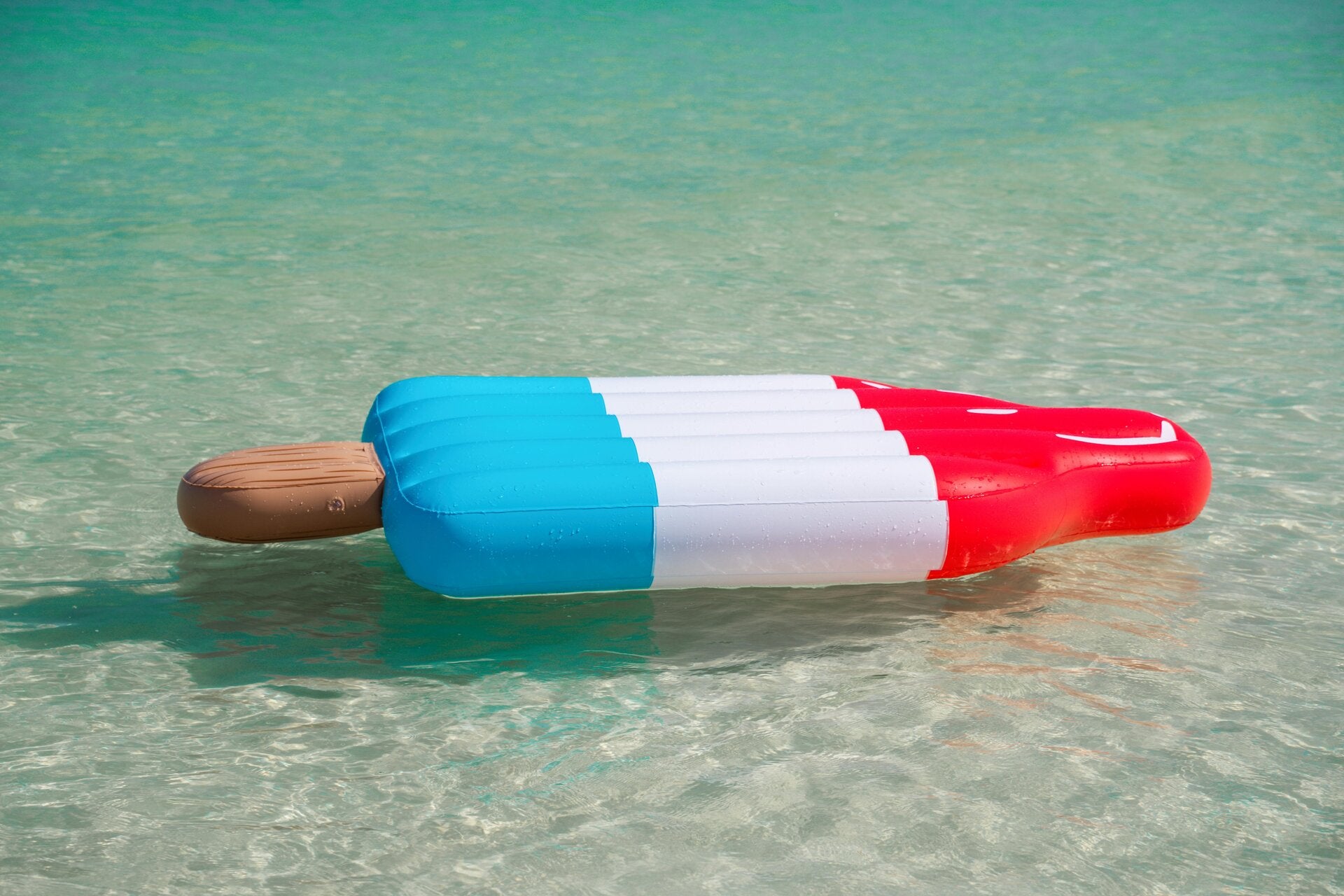
Sink or Float Experiment
Originating Idea:
The children have been exploring water play and are curious about how different objects behave in water.
Curriculum Area & KDI:
G. Science and Technology – 47. Experimenting: Children experiment to test ideas.
Materials:
- Large container of water
- Various objects (plastic toys, rocks, sponges, etc.)
- Towels
Appropriate Age Group:
Pre-K
Beginning of Activity:
Today, we are going to do an experiment with water. We are going to see which objects sink and which ones float. What do you think will happen?
Middle of Activity (Scaffolding):
Early:
A child randomly places objects in water. I will model and say, “Let’s try this one. What do you think will happen?”
Middle:
A child begins to notice results. I will ask, “Did it sink or float?” and encourage them to observe.
Later:
A child tests ideas and compares results. I will extend by asking, “Why do you think that happened?” or “Can you find something else that does the same thing?”
End of Activity:
Today, you tested different objects to see if they sink or float. You explored and discovered new things. Tell a friend what surprised you.
Follow-Up Ideas (2):
- Try the experiment with different liquids or larger objects.
- Sort objects into “sink” and “float” groups.
Assessment:
Children were able to test objects and observe results during the experiment.
Name of Activity:
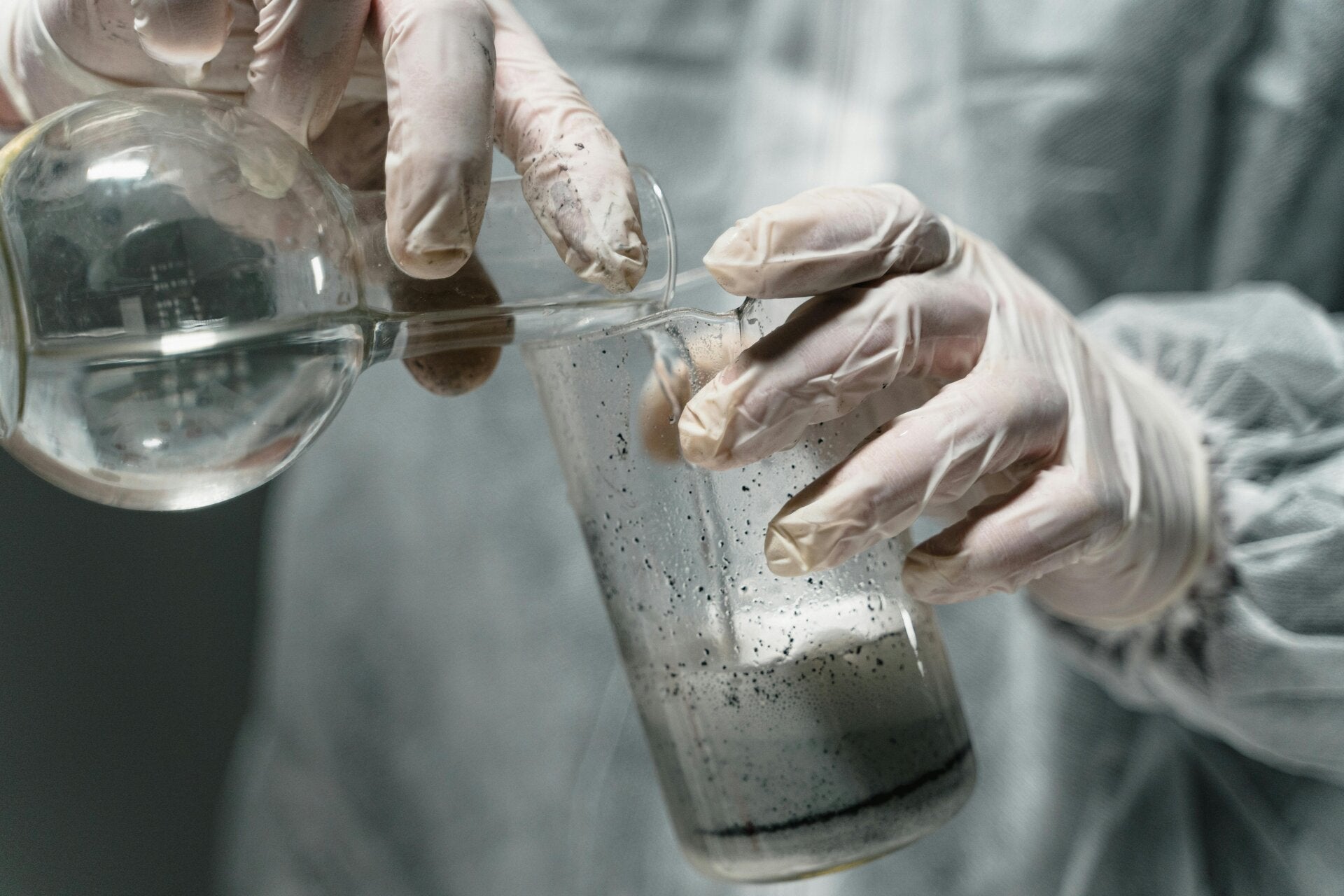
What Will Happen Next?
Originating Idea:
The children often make guesses during play and ask questions about what might happen in different situations.
Curriculum Area & KDI:
G. Science and Technology – 48. Predicting: Children make and test predictions.
Materials:
- Simple science materials (ex, baking soda, vinegar, food coloring)
- Clear container
- Spoon
Appropriate Age Group:
Pre-K
Beginning of Activity:
Today, we are going to do something fun and make a prediction. I have these materials, and we are going to mix them together. What do you think will happen?
Middle of Activity (Scaffolding):
Early:
A child may not understand predicting. I will explain, “A prediction is a guess about what might happen,” and model a simple guess.
Middle:
A child makes a basic prediction. I will ask, “Why do you think that will happen?” to encourage reasoning.
Later:
A child makes and explains predictions. I will extend by asking, “Was your prediction correct?” or “What could we try next?”
End of Activity:
Today, you made predictions and tested your ideas. You thought about what might happen and then observed the results. Tell a friend what you thought would happen.
Follow-Up Ideas (2):
- Try different combinations and make new predictions.
- Have children draw what they think will happen before testing.
Assessment:
Children were able to make predictions and observe outcomes.

Name of Activity:
What Did We Learn?
Originating Idea:
The children have been engaging in simple experiments and observations, and are beginning to talk about what happened afterward.
Curriculum Area & KDI:
G. Science and Technology – 49. Drawing conclusions: Children reflect on experiences and share what they learned.
Materials:
- Materials from a previous experiment (ex, sink/float items or baking soda activity)
- Chart paper
- Markers
Appropriate Age Group:
Pre-K
Beginning of Activity:
Today, we are going to think about an experiment we already did. Let’s remember what happened and talk about what we learned.
Middle of Activity (Scaffolding):
Early:
A child has difficulty recalling events. I will describe what happened and ask simple questions like, “Did it sink or float?”
Middle:
A child recalls basic information. I will ask, “What happened when we did this?” to encourage explanation.
Later:
A child explains and reflects. I will ask, “Why do you think that happened?” or “What did you learn from this?”
End of Activity:
Today, you talked about what you learned from an experiment. You shared your ideas and remembered what happened. Tell a friend one thing you learned.
Follow-Up Ideas (2):
- Draw and label what happened in the experiment.
- Repeat the experiment and compare the results.
Assessment:
Children were able to recall and describe what happened and share a simple conclusion.
Create Your Own Website With Webador