Approaches to learning
Approaches to Learning is all about how children learn, not just what they learn. It focuses on the skills children use when they explore, try new things, and figure things out. It’s about curiosity, independence, and thinking skills that help children become confident learners.
In this area, children are:
- Showing initiative (starting things on their own).
- Making plans and following through.
- Staying engaged in activities.
- Solving problems during play.
- Using resources (like materials or people) to help them.
- Reflecting on what they did or learned.

Name of Activity: Building a Block City
Originating Idea: The children have been spending a lot of time in the block area and talking about buildings, houses, and roads in their community.
Curriculum Area & KDI:
A. Approaches to Learning – 2. Planning: Children make and carry out plans.
Materials:
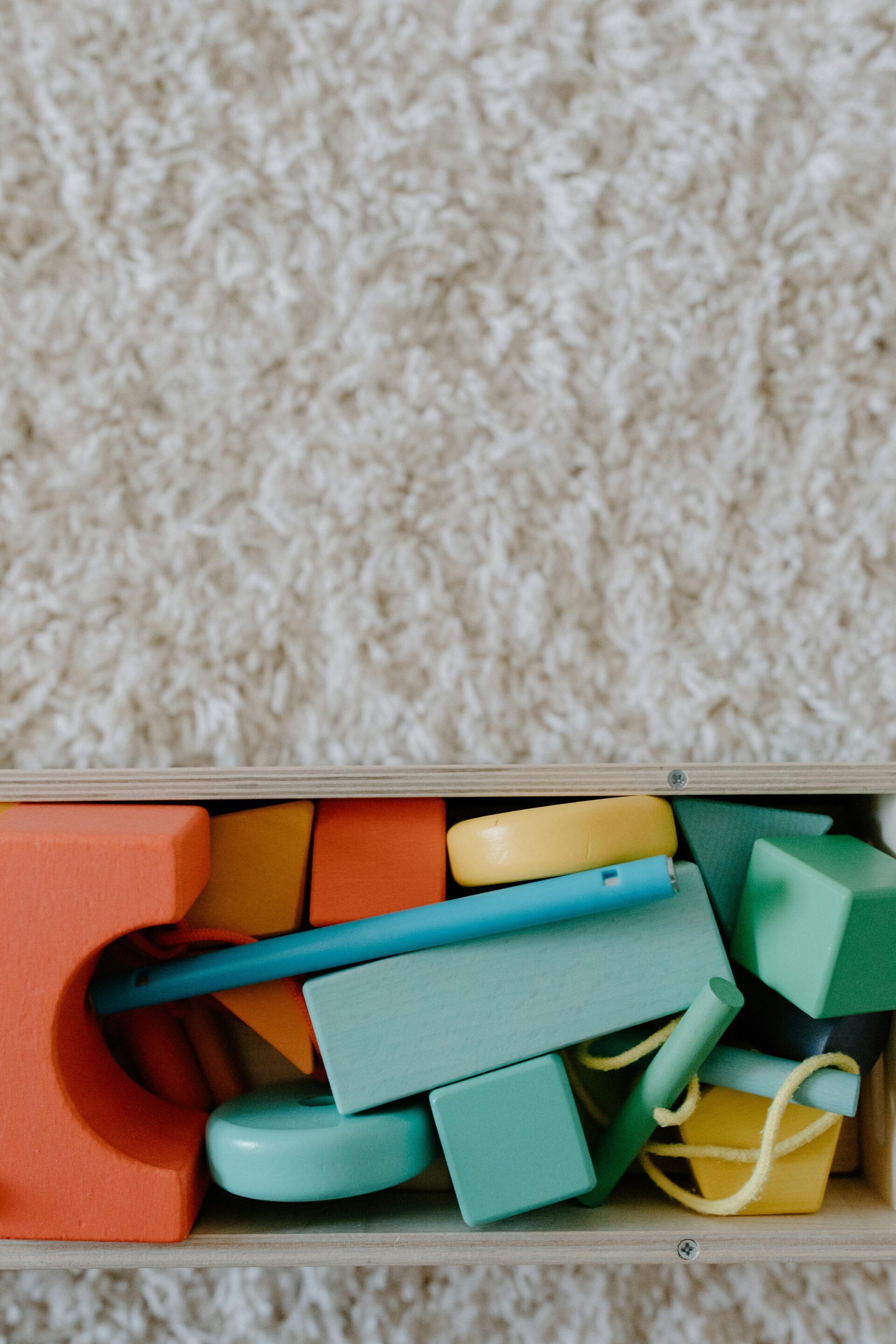
- Wooden blocks (various sizes)
- Toy cars and people
- Paper and crayons
- Clipboards
Appropriate Age Group:
Pre-K
Beginning of Activity:
Today, we are going to build our own city using blocks. Before we start building, I want you to think about what you want to make. You can draw your idea or tell me your plan. What will your building look like? What will you include in your city?
Middle of Activity (Scaffolding):
Early:
A child begins building without a clear idea. I will ask simple guiding questions like, “What are you making?” or “What do you want to build next?” I may suggest drawing a quick picture to help them plan.
Middle:
A child shares a basic idea (ex, “I’m making a house”). I will encourage more detail by asking, “What will your house have?” or “Where will the door go?”
Later:
A child creates a detailed plan and follows it. I will challenge them by asking, “What else could your city use?” or “How can you connect your buildings together?”
End of Activity: Today, you made a plan and followed it to build your city. You thought about what you wanted to create before you started. Turn to a friend and tell them about your plan and what you built.
Follow-Up Ideas (2):
- Have children draw a more detailed map of their city and label parts.
- Work together as a group to combine individual plans into one large city.
Name of Activity: Sensory Bin Exploration
Originating Idea: The children have been showing a strong interest in sensory play and enjoy exploring materials like sand and water during free play.
Curriculum Area & KDI:
A. Approaches to Learning – 3. Engagement: Children focus on activities that interest them.
Materials:
- Large sensory bin
- Kinetic sand or dry rice
- Scoops, cups, funnels
- Small toys (animals, cars, etc.)
Appropriate Age Group:
Pre-K
Beginning of Activity:
Today we are going to explore a sensory bin. Inside the bin are different materials and tools you can use. You can scoop, pour, and explore however you would like. Let’s see what you discover!
Middle of Activity (Scaffolding):
Early:
A child briefly interacts and loses interest. I will model engagement by showing how to scoop or pour and say, “Look what I can do!” to draw them back in.
Middle:
A child stays engaged for short periods. I will ask open-ended questions like, “What happens when you pour this?” or “What are you making?”
Later:
A child stays deeply engaged and creates ideas. I will extend thinking by suggesting challenges like, “Can you fill this cup using only the funnel?” or “Can you make a road for the cars?”
End of Activity:
Today, you explored the sensory bin and used different tools to play and discover. You stayed focused and tried new things. Tell a friend what you liked best about exploring.
Follow-Up Ideas (2):
- Change materials in the bin (water, foam, or natural items) for new exploration.
- Add letters or numbers into the bin for a literacy or math connection.
Assessment:
Children were able to stay engaged in the activity and explore materials with focus for a period of time.

Name of Activity: Fix-It Station
Originating Idea: The children have been pretending to fix toys and classroom items during dramatic play and often ask for help when something isn’t working.
Curriculum Area & KDI:
A. Approaches to Learning – 5. Use of Resources: Children gather information and use tools and people to solve problems.
Materials:
- Broken or pretend broken toys (safe items)
- Toy tools (screwdrivers, wrenches, etc.)
- Tape, glue, and other safe fixing materials
- Tool belts or containers
- Safety goggles (optional for dramatic play)
Appropriate Age Group:
Pre-K
Beginning of Activity:
Today, we are going to open a fix-it station. Some of these items are “broken,” and your job is to figure out how to fix them. You can use the tools and materials, or you can ask a friend or teacher for help. Let’s see how you can solve the problem!
Middle of Activity (Scaffolding):
Early:
A child looks unsure or doesn’t know where to start. I will model using a tool and say, “I wonder if this screwdriver will help?” and encourage them to try.
Middle:
A child attempts to fix an item using one strategy. I will ask, “What else could you use?” or “Who could help you?” to encourage using more resources.
Later:
A child independently uses tools and asks others for help. I will extend thinking by asking, “Why do you think that worked?” or “Can you help a friend fix theirs?”
End of Activity:
Today, you use tools, materials, and even other people to help solve problems. You worked like real problem-solvers. Tell a friend what you fixed and how you did it.
Follow-Up Ideas (2):
- Create a building/repair station with recycled materials (boxes, tubes, etc.)
- Invite children to bring in a safe item from home (or a pretend item) to “fix.”
Assessment: Children were able to use materials, tools, or ask others for help to solve a problem.
Create Your Own Website With Webador